

Common Issues with Subaru CVT Transmissions
When it comes to Subaru vehicles equipped with Continuously Variable Transmissions (CVTs), owners need to be aware of potential problems that can arise. While CVTs are designed for smooth acceleration and improved fuel efficiency, they can develop issues over time. Here’s a breakdown of the types of problems you might encounter and the symptoms that can signal trouble.
Types of Problems
1. Slipping Transmission
One of the most common issues is a slipping transmission. This occurs when the engine revs up, but the vehicle doesn’t accelerate as expected. It can feel like the car is losing power, especially during acceleration.
2. Unusual Noises
If you start hearing strange noises such as whining, grinding, or clunking sounds coming from the transmission, it’s a red flag. These noises can indicate internal damage or worn components that need immediate attention.
3. Overheating
CVTs can overheat, especially if the fluid levels are low or the fluid is contaminated. Overheating can lead to severe damage, so it’s crucial to monitor the transmission temperature and fluid condition.
4. Fluid Leaks
Any signs of fluid leaks under your vehicle should not be ignored. Transmission fluid is typically red or brown, and leaking fluid can lead to inadequate lubrication and cooling, resulting in further damage.
5. Erratic Shifting
If you notice that your vehicle is hesitating or experiencing jerky movements during acceleration, it could be a sign of erratic shifting. This can be caused by various factors, including faulty sensors or software issues.
Symptoms to Watch For
1. Warning Lights
Keep an eye on your dashboard. If the check engine light or transmission warning light illuminates, it’s time to get your vehicle checked. Ignoring these warnings can lead to more significant issues down the line.
2. Decreased Fuel Efficiency
If you find yourself making more frequent trips to the gas station, it could be due to transmission problems. A malfunctioning CVT can cause the engine to work harder, leading to decreased fuel efficiency.
3. Hesitation During Acceleration
Experiencing a delay when you press the gas pedal? This hesitation can be a symptom of a failing CVT. It can be frustrating and dangerous, especially when merging onto highways.
4. Burning Smell
A burning smell, particularly if it resembles burnt rubber, can indicate overheating or burning transmission fluid. This is a serious issue that requires immediate attention to avoid catastrophic failure.
5. Shuddering or Vibrating
If your vehicle shudders or vibrates during acceleration, it’s a sign that something is off. This can be caused by a variety of issues, including worn-out components or fluid problems.
Consequences of Ignoring Issues
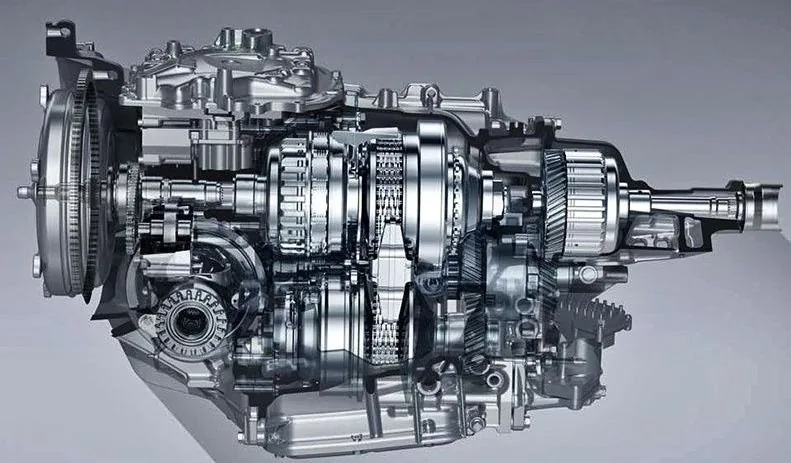
Ignoring these symptoms can lead to severe consequences. Here’s what you might face if you don’t address CVT problems promptly:
- Increased Repair Costs: What starts as a minor issue can escalate into a major repair if left unchecked. Early detection can save you a lot of money.
- Complete Transmission Failure: A failing CVT can lead to complete transmission failure, which can be a costly and time-consuming fix.
- Safety Risks: Transmission issues can lead to unexpected behavior while driving, increasing the risk of accidents.
- Decreased Vehicle Value: A vehicle with known transmission problems will have a lower resale value, impacting your investment.
Stay vigilant and proactive about your Subaru’s CVT transmission. Recognizing the signs early can save you from costly repairs and keep your vehicle running smoothly.
Identifying Issues with Subaru CVT Transmissions
As an automotive mechanic with years of experience, I’ve seen a fair share of Subaru vehicles equipped with Continuously Variable Transmissions (CVTs). While these transmissions are designed for efficiency and smooth driving, they can develop problems that owners need to be aware of. Based on my hands-on experience and feedback from various forums, here’s a detailed look at the symptoms that indicate your Subaru’s CVT might be in trouble.
Common Symptoms of Subaru CVT Transmission Problems
Recognizing the symptoms early can make a significant difference in addressing issues before they escalate. Here are the most commonly reported symptoms from Subaru owners:
| Symptom | Description | Owner Feedback |
|---|---|---|
| Slipping Gears | Engine revs without corresponding acceleration. | Many owners reported feeling a loss of power, especially during highway merging. |
| Unusual Noises | Whining, grinding, or clunking sounds from the transmission. | Forum discussions often mention these noises as a precursor to more serious issues. |
| Fluid Leaks | Visible transmission fluid under the vehicle. | Several owners noted that leaks often led to overheating and subsequent failures. |
| Overheating | Transmission fluid temperature exceeds normal levels. | Many mechanics emphasize the importance of monitoring fluid condition to prevent overheating. |
| Erratic Shifting | Hesitation or jerky movements during acceleration. | Owners frequently express frustration over unpredictable shifting behavior. |
| Warning Lights | Check engine or transmission warning lights illuminated. | Many drivers reported ignoring these lights, only to face costly repairs later. |
| Burning Smell | Odor resembling burnt rubber or overheating fluid. | Owners often mention this as a critical sign that something is wrong. |
| Hesitation During Acceleration | Delay when pressing the gas pedal. | This symptom is commonly discussed as a safety concern among drivers. |
| Shuddering or Vibrating | Vehicle shakes during acceleration. | Many owners find this symptom alarming and indicative of serious issues. |
Owner Experiences and Feedback
The Subaru community is quite vocal about their experiences with CVT issues. Here are some insights gathered from various forums and discussions:
- Frequent Maintenance: Many owners emphasize the importance of regular maintenance, including fluid changes, to prevent issues.
- Early Detection: Several drivers reported that addressing symptoms early led to less severe repairs and costs.
- Dealer Support: Some owners shared positive experiences with Subaru dealerships in addressing CVT concerns, while others felt their issues were downplayed.
- Warranty Coverage: Many users noted that their CVT problems were covered under warranty, which alleviated some financial burden.
- Community Advice: Online forums often serve as a valuable resource for troubleshooting and sharing solutions among Subaru owners.
Conclusion
Being proactive about your Subaru’s CVT transmission can save you from significant headaches down the road. Recognizing the symptoms and understanding the experiences of fellow owners can empower you to take action before minor issues turn into major repairs. Stay informed and vigilant to keep your vehicle running smoothly.
Cost of Repairing Subaru CVT Transmissions
When dealing with issues related to Subaru’s CVT transmissions, one of the most pressing concerns for owners is the cost of repairs. Understanding the financial implications can help you make informed decisions about whether to repair, replace, or explore alternative solutions.
Statistical Data on Repair Costs
According to various automotive repair sources and forums, the average cost of repairing a CVT transmission can vary significantly based on the severity of the issue. Here’s a breakdown of typical repair costs:
| Type of Repair | Estimated Cost | Notes |
|---|---|---|
| Fluid Change | $100 – $200 | Regular maintenance can prevent more severe issues. |
| Minor Repairs (e.g., sensor replacement) | $300 – $800 | Commonly reported issues that can be fixed without full transmission replacement. |
| Major Repairs (e.g., internal components) | $1,500 – $3,000 | Involves significant labor and parts replacement. |
| Complete Transmission Replacement | $3,000 – $5,000 | Costly but sometimes necessary for severe failures. |
Repair vs. Replacement
When faced with CVT issues, owners often wonder whether it’s more economical to repair the existing transmission or replace it entirely. Here are some factors to consider:
1. Severity of the Issue
– If the problem is minor, such as a fluid change or sensor replacement, repair is usually the best option.
– For severe issues, like internal component failure, replacement may be more cost-effective in the long run.
2. Vehicle Age and Value
– Consider the age and overall value of your Subaru. If the vehicle is relatively new and in good condition, investing in a replacement might be worthwhile.
– For older models with high mileage, repairing may not be financially sensible, especially if the vehicle’s value is low.
3. Warranty Coverage
– Many Subaru vehicles come with warranties that cover CVT issues. If your vehicle is still under warranty, repairs may be covered, making it an easy decision.
– Always check with your dealer to see if your specific issues are covered.
4. Alternative Solutions
– Some owners have explored aftermarket solutions or rebuilt transmissions, which can be a more affordable option.
– Another alternative is to consider a used transmission from a reputable source, which can significantly reduce costs.
Owner Feedback on Repair vs. Replacement
Feedback from Subaru owners reveals a range of experiences regarding whether to repair or replace their CVTs:
- Repair Success Stories: Many owners have successfully repaired their transmissions at a fraction of the cost of replacement, especially when caught early.
- Replacement Regrets: Some owners who opted for a complete replacement reported dissatisfaction, especially if the new transmission also developed issues.
- Aftermarket Options: A number of owners found success with aftermarket or rebuilt transmissions, often at a lower cost than OEM replacements.
- Dealer vs. Independent Shops: Owners frequently discuss the pros and cons of going through a dealer versus an independent shop, with many favoring independent mechanics for better pricing.
In summary, the decision to repair or replace your Subaru’s CVT transmission hinges on various factors, including the severity of the issue, the vehicle’s value, warranty coverage, and available alternatives. Always weigh your options carefully and consult with trusted mechanics to ensure you make the best choice for your situation.