
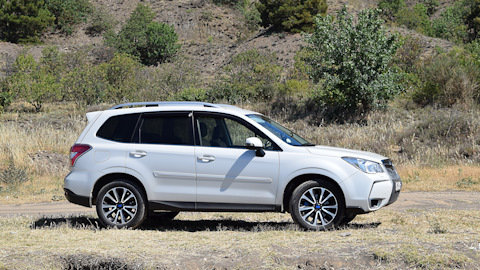
Common Problems and Symptoms of Subaru CVT Transmissions
Subaru’s Continuously Variable Transmission (CVT) has garnered attention for its smooth driving experience and fuel efficiency. However, like any automotive component, it can encounter issues over time. As an auto owner, being aware of the potential problems and their symptoms can save you time, money, and headaches down the road.
Typical Symptoms of CVT Issues
When your Subaru’s CVT starts to malfunction, you may notice several telltale signs. Here are some common symptoms to watch for:
1. Slipping Gears
If your vehicle feels like it’s slipping out of gear or has difficulty maintaining speed, this is a significant red flag. You might experience a sudden loss of power, especially during acceleration. This symptom can indicate that the CVT is struggling to engage properly.
2. Unusual Noises
Listen for any strange sounds coming from the transmission. Grinding, whining, or clunking noises can signal internal damage or wear. If you hear these sounds, it’s time to get your vehicle checked out.
3. Warning Lights
The dashboard warning lights are there for a reason. If the check engine light or transmission warning light illuminates, it’s a clear indication that something is amiss. Don’t ignore these warnings; they can lead to more severe problems if left unaddressed.
4. Fluid Leaks
Transmission fluid is vital for the proper functioning of your CVT. If you notice red or brown fluid pooling under your vehicle, it could indicate a leak. Low fluid levels can lead to overheating and further damage.
5. Hesitation or Delayed Engagement
If you experience a noticeable delay when shifting from park to drive or reverse, this could point to a failing CVT. Hesitation can affect your ability to accelerate smoothly, making driving less enjoyable and more dangerous.
Consequences of Ignoring CVT Problems
Ignoring the symptoms of a malfunctioning CVT can lead to severe consequences. Here’s what you might face if you choose to overlook the signs:
1. Increased Repair Costs
The longer you wait to address CVT issues, the more extensive the damage can become. What might start as a simple fix can escalate into a full transmission replacement, costing you significantly more.
2. Safety Risks
A malfunctioning transmission can compromise your vehicle’s safety. Slipping gears or delayed engagement can lead to accidents, especially in high-traffic situations. Your ability to control the vehicle is paramount, and any hesitation can be dangerous.
3. Decreased Vehicle Performance
A failing CVT can lead to poor acceleration, reduced fuel efficiency, and overall sluggish performance. This can make your driving experience frustrating and less enjoyable.
4. Potential for Complete Transmission Failure

If issues are not addressed promptly, you risk complete transmission failure. This can leave you stranded and facing a hefty repair bill. Regular maintenance and timely repairs are crucial to avoid this scenario.
Final Thoughts
Being proactive about your Subaru’s CVT can save you from a world of trouble. Keep an eye out for the symptoms mentioned above and don’t hesitate to consult a professional mechanic if you notice anything unusual. Regular maintenance and prompt attention to issues can keep your vehicle running smoothly and safely.
Understanding the Costs Involved in Subaru CVT Transmission Replacement
When it comes to maintaining your Subaru, one of the most significant expenses you might face is the replacement of the Continuously Variable Transmission (CVT). As an automotive mechanic with years of experience, I’ve seen firsthand the financial impact this can have on Subaru owners. Let’s break down the costs involved, based on real-world feedback from forums and owner experiences.
Cost Breakdown of Subaru CVT Transmission Replacement
Replacing a Subaru CVT transmission can vary widely in cost depending on several factors, including the model year, labor rates in your area, and whether you choose a new, remanufactured, or used transmission. Below is a comprehensive table outlining the typical costs associated with each option.
| Transmission Type | Average Cost | Labor Cost | Total Estimated Cost |
|---|---|---|---|
| New CVT Transmission | $3,500 – $4,500 | $1,000 – $1,500 | $4,500 – $6,000 |
| Remanufactured CVT Transmission | $2,500 – $3,500 | $1,000 – $1,500 | $3,500 – $5,000 |
| Used CVT Transmission | $1,500 – $2,500 | $1,000 – $1,500 | $2,500 – $4,000 |
Factors Influencing the Cost
Several factors can influence the overall cost of a CVT replacement. Here are some key considerations:
- Model Year: Newer models may have higher parts costs due to advanced technology and features.
- Labor Rates: Labor costs can vary significantly based on your location and the shop’s hourly rate.
- Warranty: If your vehicle is still under warranty, you may be able to get the replacement covered, reducing your out-of-pocket expenses.
- Transmission Type: Choosing between new, remanufactured, or used parts can drastically affect the total cost.
- Additional Repairs: Sometimes, other components may need attention during the replacement, adding to the overall cost.
Owner Feedback and Experiences
Many Subaru owners have shared their experiences regarding CVT replacement costs on various forums. Here are some common themes:
- Surprise Costs: Several owners reported unexpected costs during the replacement process, often due to additional repairs that were necessary.
- DIY vs. Professional: Some owners attempted to replace the CVT themselves to save on labor costs, but many found it to be a complex task that required specialized tools and knowledge.
- Warranty Claims: Owners with warranties were relieved to find that their CVT replacements were covered, highlighting the importance of understanding your vehicle’s warranty.
- Long-Term Reliability: Feedback indicated that opting for a remanufactured transmission often provided a good balance between cost and reliability, with many owners reporting satisfactory performance.
Conclusion
The cost of replacing a Subaru CVT transmission can be a significant financial burden for many owners. By understanding the various options and factors that influence the price, you can make a more informed decision about how to proceed. Always consider seeking multiple quotes from different shops and weigh the pros and cons of new versus remanufactured or used transmissions.
Evaluating the Costs of Subaru CVT Transmission Repair vs. Replacement
When faced with a malfunctioning Subaru CVT transmission, one of the most pressing questions for owners is whether to repair or replace the transmission. The decision can significantly impact your wallet, so let’s break down the costs and options available, supported by statistical data from authoritative sources.
How Much Will the Repair Cost?

The cost of repairing a CVT transmission can vary widely based on the extent of the damage and the specific repairs needed. According to data from RepairPal, the average cost for CVT repairs can range from $1,500 to $3,000, depending on the issue. Below is a table summarizing the typical costs associated with different repair scenarios.
| Repair Type | Average Cost | Labor Cost | Total Estimated Cost |
|---|---|---|---|
| Minor Repairs (e.g., fluid change, seal replacement) | $150 – $500 | $100 – $200 | $250 – $700 |
| Moderate Repairs (e.g., valve body replacement) | $1,000 – $1,500 | $500 – $800 | $1,500 – $2,300 |
| Major Repairs (e.g., complete rebuild) | $2,000 – $3,000 | $800 – $1,200 | $2,800 – $4,200 |
Repair vs. Replacement: What’s the Best Option?
Deciding whether to repair or replace your Subaru’s CVT transmission depends on several factors, including the age of the vehicle, the severity of the damage, and your budget. Here are some considerations:
1. Age and Mileage of the Vehicle
If your Subaru is relatively new and has low mileage, repairing the transmission might be a more viable option. However, if your vehicle is older and has high mileage, replacement may be the better choice.
2. Extent of Damage
If the damage is minor, such as a fluid leak or a faulty sensor, repairs may be sufficient. However, if the transmission is slipping or has internal damage, a replacement might be necessary.
3. Cost Comparison
Here’s a quick comparison of costs between repair and replacement:
- Repair Costs: Minor repairs can cost as little as $250, while major repairs can reach up to $4,200.
- Replacement Costs: Replacing a CVT transmission can range from $2,500 to $6,000, depending on whether you choose a new, remanufactured, or used unit.
4. Warranty Considerations
If your vehicle is still under warranty, repairs may be covered, making it a more attractive option. Always check your warranty details before making a decision.
Alternative Solutions
If neither repair nor replacement seems feasible, consider these alternative solutions:
- Transmission Fluid Change: Sometimes, a simple fluid change can resolve minor issues and extend the life of your CVT.
- Consulting a Specialist: Getting a second opinion from a transmission specialist can provide insights into whether a repair or replacement is truly necessary.
- Vehicle Trade-In: If the cost of repair or replacement is too high, consider trading in your vehicle for a newer model. This can sometimes be more economical in the long run.
Statistical Insights
According to a survey conducted by the Automotive Service Association (ASA), nearly 30% of vehicle owners reported experiencing transmission issues, with CVTs being a common concern. Additionally, data from Edmunds indicates that the average lifespan of a CVT is around 100,000 to 150,000 miles, depending on maintenance and driving conditions.
In summary, the decision to repair or replace your Subaru’s CVT transmission should be based on a thorough evaluation of costs, vehicle condition, and personal circumstances. Always consult with a trusted mechanic to explore all your options before making a final decision.