

Common Issues with CVT Transmissions
CVT (Continuously Variable Transmission) systems are becoming increasingly popular in modern vehicles due to their smooth driving experience and improved fuel efficiency. However, like any mechanical system, they can encounter problems that can lead to frustrating symptoms and costly repairs. Here, we’ll dive into the types of problems you might face with a CVT and the symptoms that can signal trouble.
Types of Problems
CVTs are unique in their design and operation, which can lead to specific issues that differ from traditional automatic transmissions. Here are some common problems:
- Slipping: This occurs when the transmission fails to engage properly, causing the engine to rev without a corresponding increase in speed.
- Overheating: CVTs can overheat if the fluid is low or contaminated, leading to potential damage.
- Unusual Noises: Grinding, whining, or clunking noises can indicate internal wear or damage.
- Delayed Engagement: A noticeable delay when shifting from park to drive or reverse can signal issues with the transmission.
- Fluid Leaks: Any signs of fluid pooling under your vehicle should be addressed immediately, as low fluid levels can lead to severe damage.
Symptoms to Watch For
Recognizing the symptoms of CVT problems early can save you time and money. Here are some key indicators that something might be wrong:
1. Slipping Gears
If you notice that your engine revs higher than normal without a corresponding increase in speed, your CVT may be slipping. This can feel like the vehicle is losing power or struggling to accelerate.
2. Overheating
An overheating CVT can lead to catastrophic failure. If you see warning lights on your dashboard or smell burning fluid, pull over and check the transmission fluid level. Low or dirty fluid can cause overheating.
3. Unusual Noises
Listen for any strange sounds coming from your transmission. If you hear whining, grinding, or clunking noises, it’s a sign that the internal components may be wearing out or damaged.
4. Delayed Response
A delay when shifting gears can be a red flag. If you experience a lag when moving from park to drive or reverse, it could indicate a problem with the transmission’s control module or other internal components.
5. Fluid Leaks
Check for any fluid leaks under your vehicle. Transmission fluid is typically red or brown and has a distinct smell. If you notice any leaks, it’s crucial to address them immediately to avoid further damage.
Consequences of Ignoring Symptoms
Ignoring the symptoms of CVT issues can lead to severe consequences, including:
- Increased Repair Costs: What starts as a minor issue can escalate into a major repair if not addressed promptly.
- Complete Transmission Failure: Continuing to drive with a malfunctioning CVT can lead to total failure, requiring a costly replacement.
- Safety Hazards: Slipping or delayed engagement can create dangerous driving conditions, putting you and others at risk.
- Decreased Fuel Efficiency: A malfunctioning CVT can lead to poor fuel economy, costing you more at the pump.
Stay vigilant and proactive about your CVT transmission. Regular maintenance and addressing symptoms early can save you from a world of headaches down the road.
Essential Steps for Servicing Your CVT Transmission
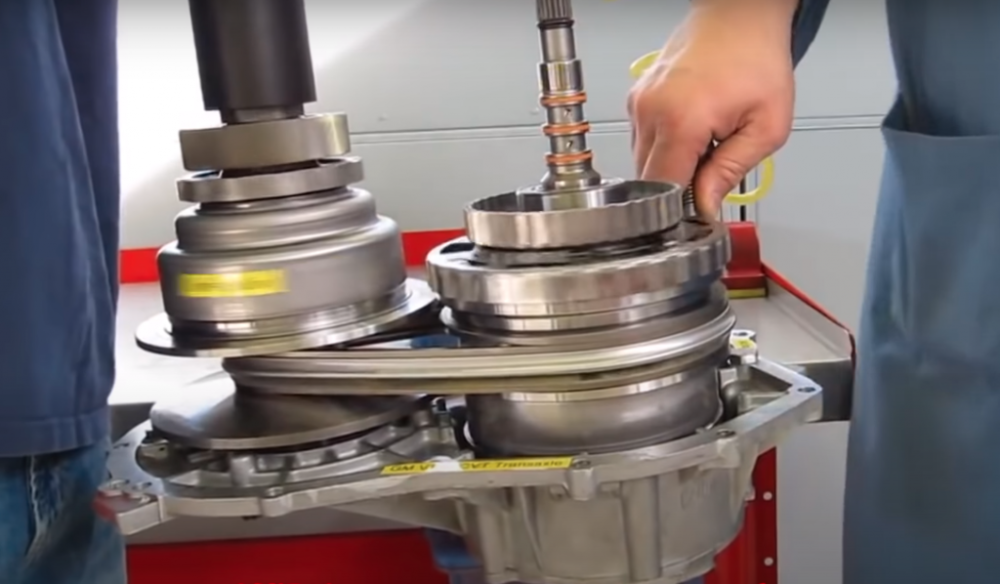
Servicing your CVT (Continuously Variable Transmission) is crucial for maintaining its performance and longevity. Many vehicle owners have shared their experiences on forums, highlighting the importance of regular maintenance and the steps involved in servicing a CVT. Below, we’ll break down the process into manageable steps, along with tips based on real-world feedback from fellow auto owners.
Understanding the Basics
Before diving into the servicing process, it’s essential to understand what a CVT does and why it requires specific care. Unlike traditional automatic transmissions, CVTs use a system of pulleys and belts to provide a seamless transition between gear ratios. This unique design can lead to different maintenance needs.
How to Service Your CVT Transmission
Here’s a step-by-step guide to servicing your CVT transmission:
- Gather Necessary Tools and Materials:
- New CVT fluid (check your owner’s manual for specifications)
- Transmission filter (if applicable)
- Drain pan
- Wrenches and sockets
- Funnel
- Rags for cleanup
- Check the Fluid Level:
- Start your vehicle and let it warm up to operating temperature.
- With the engine running, check the transmission fluid level using the dipstick (if equipped).
- If the fluid is low, add the recommended CVT fluid until it reaches the proper level.
- Drain the Old Fluid:
- Locate the transmission drain plug and place your drain pan underneath it.
- Remove the drain plug and allow the old fluid to completely drain out.
- Replace the drain plug securely after draining.
- Replace the Filter (if applicable):
- Some CVTs have a transmission filter that needs replacing. Check your owner’s manual.
- Remove the old filter and install the new one, ensuring it fits snugly.
- Add New CVT Fluid:
- Using a funnel, pour the new CVT fluid into the transmission through the dipstick tube or designated fill point.
- Check the fluid level again after adding fluid to ensure it’s at the correct level.
- Check for Leaks:
- Start the engine and let it run for a few minutes.
- Inspect the area around the drain plug and filter for any signs of leaking fluid.
- Test Drive:
- Take your vehicle for a short test drive to ensure smooth shifting and proper operation.
- Monitor the transmission performance and check the fluid level again after the drive.
Common Issues to Watch For
While servicing your CVT, keep an eye out for these common issues that may arise:
| Issue | Symptoms | Possible Causes | Recommended Action |
|---|---|---|---|
| Slipping Gears | Engine revs without acceleration | Low fluid level, worn belts | Check fluid level, inspect belts |
| Overheating | Warning lights, burning smell | Contaminated fluid, low fluid | Change fluid, check for leaks |
| Unusual Noises | Grinding or whining sounds | Worn components, low fluid | Inspect for wear, change fluid |
| Delayed Engagement | Lag when shifting gears | Low fluid, control module issues | Check fluid, consult a mechanic |
| Fluid Leaks | Puddles under the vehicle | Worn seals, loose fittings | Inspect and replace seals, tighten fittings |
Owner Feedback and Experiences
Many vehicle owners have shared their experiences regarding CVT maintenance on various forums. Here are some key takeaways:
- Regular fluid changes are crucial. Many owners recommend changing CVT fluid every 30,000 to 50,000 miles, depending on driving conditions.
- Using the manufacturer-recommended fluid is essential. Some owners have reported issues when using aftermarket fluids.
- Pay attention to any changes in performance. If you notice slipping or unusual noises, address them immediately to avoid more significant problems.
- Some owners suggest keeping a close eye on fluid color and consistency. Healthy CVT fluid should be a clear red color; dark or burnt fluid indicates it’s time for a change.
By following these steps and being aware of potential issues, you can keep your CVT transmission running smoothly and extend its lifespan. Regular maintenance is key to avoiding costly repairs down the line.
Cost of CVT Transmission Repair and Replacement
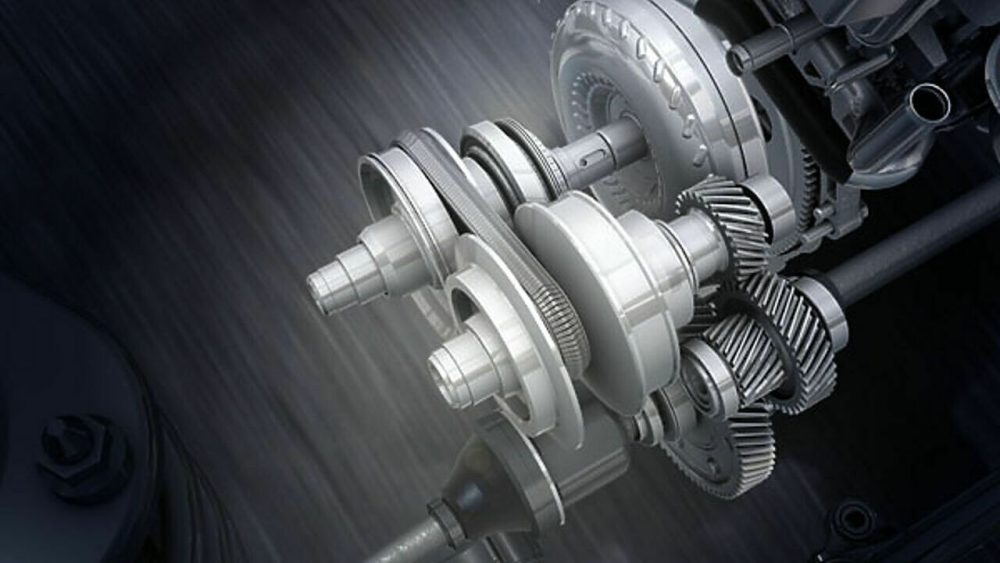
When it comes to servicing your CVT transmission, understanding the potential costs involved is crucial. Whether you’re facing minor issues or significant failures, knowing how much repairs or replacements can set you back will help you make informed decisions.
Repair Costs Overview
The cost of repairing a CVT transmission can vary widely based on the extent of the damage, the make and model of your vehicle, and your geographical location. According to data from reputable automotive sources, here’s a breakdown of typical costs:
| Service Type | Average Cost | Typical Time Required |
|---|---|---|
| Fluid Change | $100 – $200 | 1 – 2 hours |
| Filter Replacement | $150 – $300 | 2 – 3 hours |
| Minor Repairs (e.g., seals, gaskets) | $300 – $800 | 3 – 5 hours |
| Major Repairs (e.g., belt replacement) | $1,000 – $3,500 | 5 – 10 hours |
| Complete Transmission Replacement | $3,000 – $7,000 | 10 – 20 hours |
Repair vs. Replacement
When faced with CVT issues, vehicle owners often wonder whether it’s more cost-effective to repair or replace the transmission. Here are some factors to consider:
1. Extent of Damage
If the damage is minor, such as a fluid change or filter replacement, repairing is usually the best option. However, if the transmission has significant wear or failure, replacement may be necessary.
2. Age and Value of the Vehicle
Consider the age and overall value of your vehicle. If your car is older and has high mileage, investing in a new transmission may not be worth it. In such cases, you might consider selling the vehicle as-is and purchasing a new one.
3. Long-Term Reliability
Replacing a CVT can provide peace of mind, especially if you plan to keep the vehicle for several more years. A new transmission can restore performance and reliability, while a repair may only offer a temporary fix.
4. Warranty Considerations
If your vehicle is still under warranty, repairs may be covered, making it a more attractive option. Always check with your dealer or manufacturer for warranty details.
Alternative Solutions
If you’re looking for alternatives to costly repairs or replacements, consider the following options:
- Fluid Additives: Some owners have reported success using transmission fluid additives designed to rejuvenate worn components. However, this is not a guaranteed fix and should be approached with caution.
- DIY Maintenance: Regular maintenance, such as fluid changes and filter replacements, can prevent many issues. If you’re comfortable with basic automotive work, consider tackling these tasks yourself.
- Used or Rebuilt Transmissions: If replacement is necessary, sourcing a used or rebuilt transmission can save you money compared to a brand-new unit. Just ensure it comes with a warranty.
- Consulting a Specialist: Sometimes, a specialist can diagnose and fix issues that general mechanics may overlook. Investing in a thorough inspection can save you from costly mistakes.
Statistical Insights
According to a study by the Automotive Transmission Repair Association (ATRA), nearly 30% of CVT failures are attributed to improper maintenance, highlighting the importance of regular servicing. Additionally, a survey conducted by Consumer Reports found that vehicles with regularly serviced transmissions can last up to 50% longer than those that are neglected.
In summary, understanding the costs associated with CVT transmission repair and replacement, along with weighing your options, can help you make the best decision for your vehicle. Whether you choose to repair, replace, or explore alternative solutions, being informed is key to managing your vehicle’s health effectively.